
Winter Hair Care: Preventing Dry Scalp
As the colder months approach, many people begin to notice changes in their hair and scalp. Winter can be harsh on your skin and hair, often leading to dryness, itchiness, and flaking of the scalp. Understanding how to care for your hair during this season is essential to maintain healthy, comfortable hair and a nourished scalp. In this article, we’ll explore effective strategies to prevent dry scalp during winter, so you can enjoy a season of vibrant hair and scalp health.
Why Does Winter Cause Dry Scalp?
The dry scalp many experience during winter occurs due to several environmental and lifestyle factors that are particularly prevalent in colder months.
Reduced Humidity and Cold Air
Winter air tends to be less humid, both outdoors and indoors due to heating systems. This dry air strips moisture from the scalp’s skin barrier, leaving it dehydrated and flaky.
Frequent Exposure to Hot Water
Hot showers and washing hair with hot water, which people often prefer in winter, can further dry out the scalp by removing natural oils that protect and moisturize skin.
Wearing Hats and Scarves
While hats and scarves protect you from cold winds, they can sometimes trap sweat and dead skin cells against the scalp, or cause friction that leads to irritation and dryness if worn for extended periods.
Reduced Oil Production
Lower temperatures may cause your scalp oil glands to produce less sebum, the natural oil that keeps your scalp moisturized. Reduced sebum leads to dryness and sensitivity.
Signs of a Dry Scalp During Winter
Recognizing dry scalp symptoms early can help you take prompt measures to alleviate discomfort and maintain scalp health:
- Flaking and Dandruff: White flakes on the scalp and shoulders can indicate dryness.
- Itching: Persistent scalp itchiness is a common sign of dryness.
- Tightness and Sensitivity: Feeling of tight, sensitive scalp skin.
- Visible Dry Patches: Areas that appear rough, scaly, or inflamed.
Effective Tips to Prevent and Treat Dry Scalp in Winter
With the right care routine, you can minimize the impact of winter on your scalp health. Below are expert tips for keeping your scalp hydrated and comfortable throughout the colder months.
1. Choose the Right Shampoo and Conditioner
Select gentle, moisturizing shampoos formulated specifically for dry or sensitive scalp. Avoid harsh sulfates and heavy detergents that strip your scalp’s natural oils.
Look for ingredients such as:
- Tea tree oil – helps soothe and balance scalp
- Aloe vera – provides hydration and calming effects
- Glycerin and hyaluronic acid – attract and retain moisture
- Natural oils like argan, jojoba, or coconut oil – replenish moisture
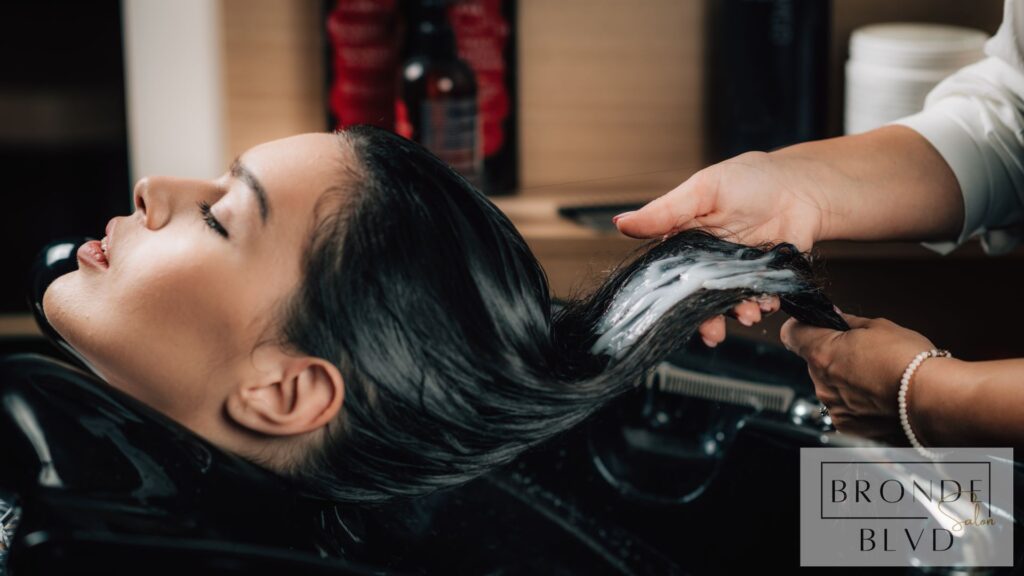
Follow shampooing with a hydrating conditioner to lock in moisture, focusing on the ends of hair without overly coating the scalp to avoid buildup.
2. Limit Hair Washing Frequency
Washing hair daily in winter can remove essential oils, exacerbating dryness. Aim for washing hair 2–3 times a week, or as appropriate for your scalp and hair type. On non-wash days, use a gentle scalp mist or refreshing spray to maintain softness.
3. Use Lukewarm Water Instead of Hot
When washing your hair, opt for lukewarm water to cleanse without stripping away moisture. Hot water can dry out the scalp and hair, so cooler temperatures are better for maintaining hydration.
4. Incorporate Scalp Treatments and Oils
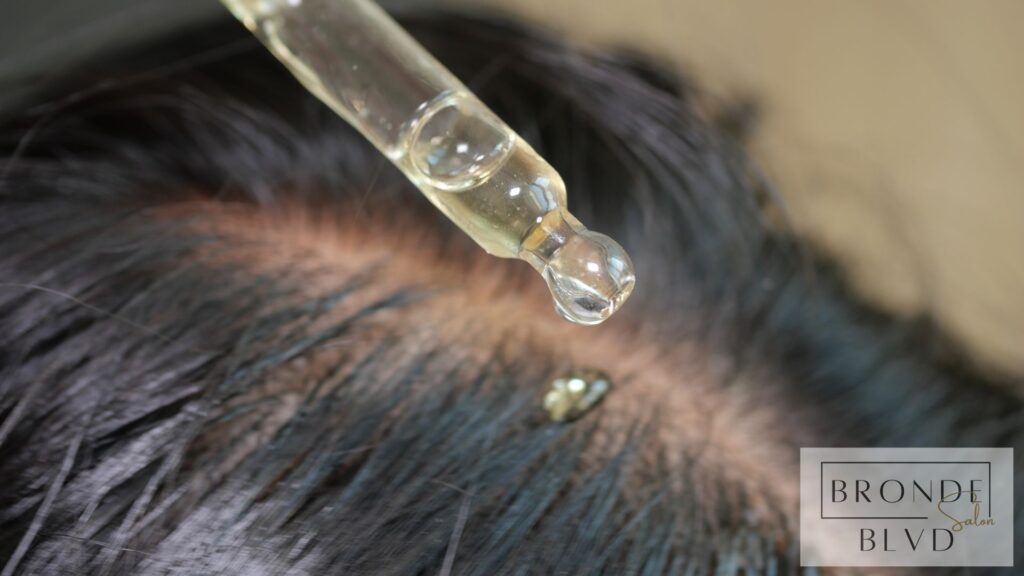
Weekly scalp treatments with nourishing oils can replenish moisture and repair the scalp’s protective barrier. Massage natural oils like coconut, jojoba, or almond oil into your scalp, leave on for 20–30 minutes, then wash out gently.
Alternatively, specialized scalp serums designed for dry scalp can provide targeted hydration and soothe irritation. Consistent treatment helps maintain healthy skin balance.
5. Use a Humidifier at Home
Indoor heating reduces moisture in the air, contributing to dry skin and scalp. Using a humidifier adds essential humidity back to the environment, preventing excessive dryness. Position it in commonly used rooms, especially bedrooms, for overnight benefits.
6. Protect Your Scalp from Harsh Weather
Always wear a breathable hat or scarf when going outdoors on cold, windy days. Choose materials like cotton or silk that reduce friction and allow scalp to breathe. Avoid tight-fitting headwear that may irritate the scalp.
7. Stay Hydrated and Maintain a Nourishing Diet
Hydration doesn’t just come from topical care—drinking plenty of water supports overall skin and scalp health. Likewise, eating a balanced diet rich in omega-3 fatty acids, vitamins (especially vitamin E, A, and D), and antioxidants can improve scalp condition and hair strength.
8. Avoid Overuse of Styling Products
Heavy styling products, gels, and sprays can accumulate on the scalp, trapping dirt and causing irritation. Simplify your hair routine during winter by minimizing product use, opting for lighter textures that don’t clog pores.
Case Example: How Consistent Winter Care Made a Difference
A client visited a hair salon in early November complaining of frequent scalp itchiness and visible flakes. After adopting a winter-specific hair care routine focused on moisturizing shampoos, scalp oil treatments, and reducing hair washing to twice weekly, she noticed substantial improvements within weeks.
Additionally, using a humidifier in her room and wearing cotton hats outdoors protected her scalp from drying elements. By the end of December, her scalp felt well-hydrated and comfortable, and the flakes had nearly disappeared.
Additional Considerations
If dry scalp symptoms persist or worsen despite appropriate winter care, it’s important to consult with a dermatologist. Persistent dryness and flaking might mask underlying conditions such as seborrheic dermatitis, psoriasis, or eczema that require specialized treatment.
Also, be cautious of overly aggressive exfoliating or scrubbing, which can worsen scalp irritation. Gentle care and consistency are the keys to managing winter dryness.
Conclusion: Maintaining a Healthy Scalp Through Winter
Winter dryness can be challenging, but with the right routine, preventing dry scalp is entirely achievable. Focus on gentle cleansing, hydration, protecting from the elements, and nurturing your scalp with nourishing oils and treatments. Adjust habits such as water temperature and product usage to support moisture retention. Remember, a well-cared-for scalp promotes stronger, healthier hair that thrives regardless of the weather.
Embrace these winter hair care tips to keep your scalp comfortable, moisturized, and itch-free throughout the season.